International Energy Agency Schedules Emergency Meeting on Strategic Oil Reserve Release
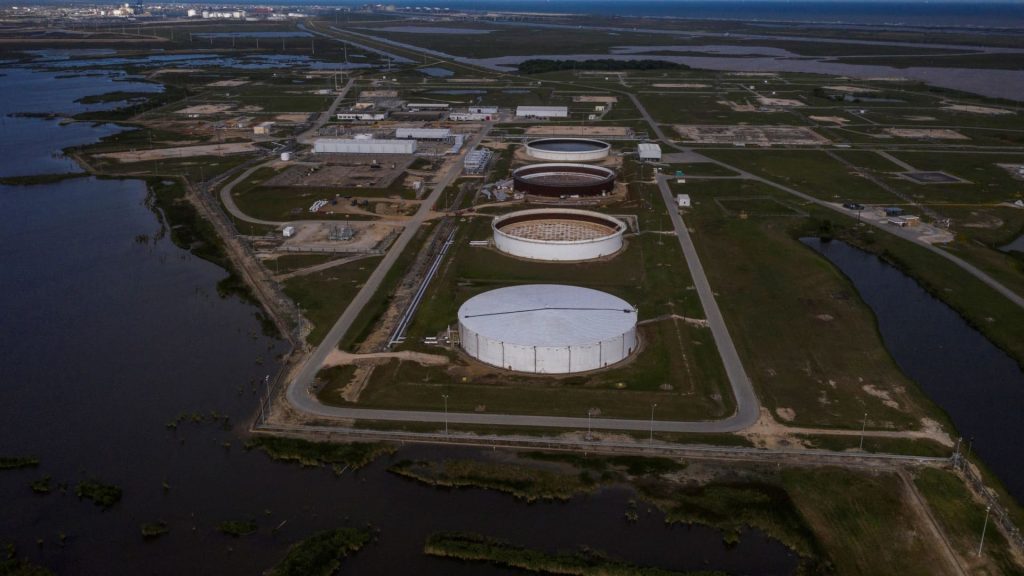
The International Energy Agency has announced an urgent gathering of its member nations scheduled for Tuesday to evaluate the potential deployment of strategic petroleum reserves in response to significant supply chain disruptions caused by ongoing conflict involving Iran.
According to IEA Executive Director Fatih Birol, the organization’s more than 30 member countries will conduct a comprehensive evaluation of current supply security and market dynamics before determining whether emergency oil stockpiles should be released into global markets.
The IEA membership consists of developed nations spanning North America, Europe, and Northeast Asia, which maintain collective strategic petroleum reserves totaling approximately 1.2 billion barrels. Additionally, commercial entities hold roughly 600 million barrels under governmental mandates.
Global oil markets responded positively to speculation about potential reserve releases, with crude prices declining over 11 percent. This followed a dramatic surge that pushed prices to nearly $120 per barrel on Monday amid supply concerns.
Prior to the IEA meeting, energy officials from the Group of Seven industrialized nations conducted their own discussions regarding response strategies to address the supply crisis. The G7 comprises Canada, France, Germany, Italy, Japan, the United Kingdom, and the United States, all of which maintain IEA membership.
According to industry sources, American officials are advocating for a coordinated release of 300 million to 400 million barrels, which would represent approximately 25 to 30 percent of total strategic reserves held by member countries.
Maritime transportation through the strategically vital Strait of Hormuz has experienced severe disruptions as shipping companies express concerns about potential Iranian threats. Energy analysts at Rapidan Energy characterize this as the most significant oil supply disruption in recorded history. Prior to the conflict, approximately 20 percent of global petroleum consumption transited through this narrow waterway.
Regional oil producers in the Gulf have reduced production capacity due to export challenges through the compromised shipping lane. Saudi Aramco’s chief executive, Amin Nasser, issued a warning Tuesday that prolonged conflict could result in catastrophic implications for worldwide energy markets.